Why the Location of a Roof Leak Can Be Misleading
Discovering a water stain on a ceiling or damp patch on a wall can be alarming for any homeowner. Naturally, many people assume that the leak is located directly above the area where the water becomes visible. However, roofing leaks are often far more complicated than they appear. In many cases, the location where water enters the roof is completely different from the place where signs of damage eventually emerge inside the property. For homeowners in Daventry, Northamptonshire, understanding how roof leaks behave can help explain why professional inspections are so important when diagnosing roofing problems.
At EA Roofing Daventry, we regularly investigate leaks that have travelled considerable distances through roofing structures before becoming visible indoors.
Water Rarely Travels in a Straight Line
One of the biggest misconceptions about roof leaks is that water simply falls vertically through the roof. In reality, once water enters the roofing system, it can travel along various surfaces before finding a point where it becomes visible.
Water may move along:
- Roof timbers
- Battens
- Underlay membranes
- Loft structures
- Ceiling surfaces
As a result, the visible damage inside the property may be several metres away from the actual source of the leak.
Roof Structures Create Hidden Pathways
Modern roofing systems contain multiple layers and structural components. When water penetrates the outer covering, it often follows the path of least resistance.
This means it may:
- Run along roof supports
- Collect behind insulation materials
- Travel across ceiling joists
- Follow sloping surfaces within the loft space
These hidden pathways can make leak detection far more challenging than many homeowners expect.
Leaks Often Appear Around Vulnerable Areas
Although water may emerge in one location, the original source often lies elsewhere. Some roofing areas are naturally more vulnerable to water ingress than others.
Common problem areas include:
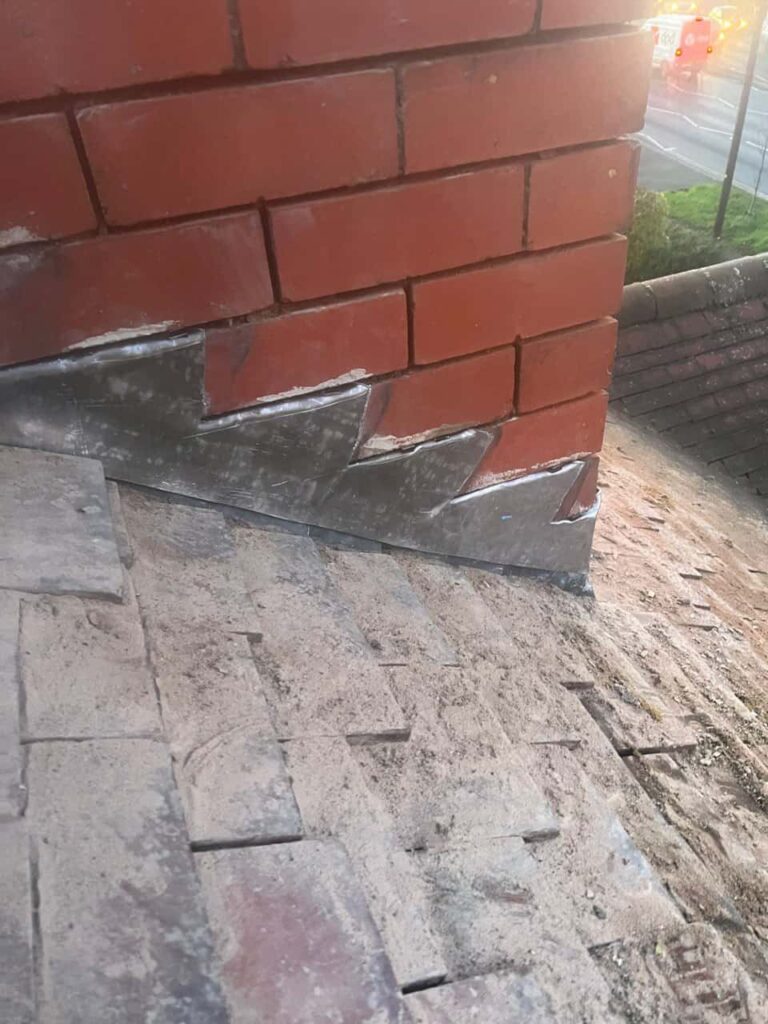
- Flashing around chimneys
- Roof valleys
- Ridge tiles
- Roof vents
- Junctions where different roof sections meet
A leak appearing in a bedroom ceiling may actually originate from one of these vulnerable areas some distance away.
Wind Can Influence Leak Behaviour
Weather conditions can also affect how leaks develop. During heavy rain accompanied by strong winds, water can be driven into small gaps and weaknesses that may not normally allow moisture through.
This can result in:
- Intermittent leaks
- Water appearing only during certain weather conditions
- Damage emerging in unexpected locations
- Difficult-to-diagnose roofing problems
Professional investigations often take weather patterns into account when identifying the source of a leak.
Insulation Can Conceal Problems
Loft insulation is designed to improve energy efficiency, but it can also mask the movement of water within the roof space.
Water may:
- Saturate insulation before becoming visible
- Spread across large areas unnoticed
- Accumulate gradually over time
- Delay visible signs of damage indoors
By the time a stain appears on a ceiling, moisture may already have been present for some time.
Ceiling Stains May Not Indicate the Source
A common mistake homeowners make is focusing solely on the visible stain or damp patch. While this area provides an important clue, it does not necessarily reveal where the problem began.
A ceiling stain may be:
- The final point where water emerges
- The lowest point along a travel path
- A collection point for moisture
- Unrelated to the actual entry point on the roof surface
This is why professional leak tracing is often required.
Delayed Symptoms Can Cause Confusion
Roof leaks do not always appear immediately after water enters the property. Moisture can accumulate gradually before signs become visible indoors.
This delay can make it difficult to connect:
- Rainfall events
- Storm damage
- Roof deterioration
- Internal water marks
By the time the leak is noticed, the original cause may have been developing for weeks or even months.
Why Accurate Diagnosis Matters
Because roof leaks can travel through hidden areas, treating the visible symptom alone rarely solves the problem. Effective repairs depend on identifying the true source of the water ingress.
Professional diagnosis helps:
- Locate the actual point of entry
- Prevent recurring leaks
- Protect structural components
- Avoid unnecessary repair work in the wrong area
A thorough inspection often reveals issues that are not visible from inside the property.
Professional Roof Inspections Save Time and Stress
Experienced roofing specialists understand how water behaves within roofing systems and know where to look for hidden problems.
Professional inspections can identify:
- Damaged tiles or slates
- Faulty flashing
- Deteriorated roofing materials
- Weak points within the roof structure
At EA Roofing Daventry, we provide comprehensive roof inspections and repair services throughout Daventry, Northamptonshire, helping homeowners identify roofing issues accurately and resolve them effectively.
Conclusion
The location where a roof leak becomes visible is often very different from where the water actually enters the roofing system. Hidden pathways, structural components and changing weather conditions can all influence how moisture travels through a property.
For homeowners in Daventry, Northamptonshire, understanding this can help explain why roof leaks are often more complex than they first appear. A professional inspection is usually the most effective way to identify the true cause of the problem and prevent further damage.
If you have noticed signs of a roof leak or unexplained damp patches in your home, EA Roofing Daventry is here to help. Contact our experienced team today to arrange a professional roof inspection and ensure any roofing issues are identified and resolved correctly.
Call us on: 01327 223 899
Click here to find out more about EA Roofing Daventry
Click here to complete our contact form and see how we can help with your roofing needs.